

First-time buyer guide
First-time home buyer guide (Toronto): everything you need to feel ready
Buying your first home is a big step, but it is not a mystery. This guide shows you how to tell if you are ready, what you can really afford, what the purchase will cost on closing day and who should be in your corner, so you go in confident instead of overwhelmed.
By Spiro Vrysellas, Broker, Vrysellas Team, Elevate Realty Inc., Brokerage.
Your first-home roadmap
Tap any section to jump to it. Read it top to bottom once, then come back to the parts you need as you go. Every first-time buyer we work with has the same questions, so you are in good company.
- 1Are you ready?
- 2What you can afford
- 3Your down payment
- 4Closing costs and rebates
- 5Condo, town or house
- 6Build your team
- 7Mistakes to avoid
- 8A worked example
Section oneHow to know you are ready
There is no perfect moment, but there are clear signs. Being ready is less about a magic number in your bank account and more about four things lining up: a budget you understand, savings that cover more than the down payment, healthy credit and income a lender can count on.
- A monthly budget you have actually tested
- Down payment plus closing costs saved
- An emergency cushion left over after closing
- Bills paid on time, low card balances
- Steady income you can prove on paper
Budget
Know what you spend in a normal month, not what you hope you spend. Look at three months of bank and card statements. The difference between what comes in and what goes out is the real room you have for a mortgage, property tax, insurance, utilities and (for a condo) maintenance fees.
Savings
You need more than the down payment. You also need closing costs (land transfer tax, legal fees and a few smaller items) and a cushion for the first surprise, like a new water heater or a fridge that quits. A home with zero dollars left over is a stressful home.
Credit
Your credit score affects which lenders will say yes and on what terms. Pay every bill on time, keep credit card balances well below their limits and pull your free credit reports from Equifax and TransUnion to fix any mistakes before you apply.
Job stability
Lenders like steady, provable income. If you just started a new job, they may want you past your probation period. If you are self-employed or earn commission, expect to show a couple of years of tax returns and notices of assessment.
Pro tip: do a "practice mortgage" for three months. Each month, move the difference between your current rent and your future housing costs into savings. If it feels fine, you are ready. If it hurts, you just learned something valuable for free.
Section twoHow much home can you afford?
There are two numbers here, and first-time buyers often mix them up. One is how much a lender will approve. The other is the payment you can comfortably live with. Your real budget is the smaller of the two.
The stress test, in plain words
Before a lender approves you, they check that you could still afford your payments if interest rates went up. So they qualify you at a higher rate than the one you will actually pay. That is why many first-time buyers are approved for a little less than they expected. It is a safety check, not a judgment, and it is much better to learn your number now than on offer night.
Debt ratios, without the jargon
Lenders also compare your housing costs and your other debts (car loan, student loans, lines of credit, card minimums) to your income. The more you owe elsewhere, the less room there is for a mortgage. Paying off a car loan before you apply can raise your approval more than you might expect.
Want to see your own numbers? Try our mortgage qualification calculator, then talk to a trusted mortgage broker for a real pre-approval.
Watch out: do not shop at your maximum approval just because the bank said yes. Your approval does not know you want to travel, start a family or renovate the kitchen. You do.
Section threeYour down payment
The down payment is your share of the purchase price. The mortgage covers the rest. In this guide we assume a 20% down payment, because with 20% or more you avoid mortgage default insurance, which keeps your mortgage smaller.
When your offer is accepted, you usually send a deposit within about 24 hours. In Toronto it is commonly around 5% of the price. That deposit is not extra money. It is the first part of your down payment, and the rest is paid on closing day.
Putting down less than 20%?
You have options. Many first-time buyers put down less and pay for mortgage default insurance, which is added to the mortgage. The minimum down payment depends on the price of the home, and more expensive homes need more down. The rules change from time to time, so a trusted mortgage broker is the best person to tell you what applies today.
First-time buyer programs worth asking about
- First Home Savings Account (FHSA): a registered account designed to help first-time buyers save for a home with tax advantages.
- RRSP Home Buyers' Plan: lets eligible first-time buyers borrow from their own RRSP for a down payment and repay it over time.
- Land transfer tax rebates: Ontario and the City of Toronto both offer first-time buyer rebates (more on these in the next section).
- Federal first-time buyer tax credit and new home rebates: there are tax credits for first-time buyers, and rebates that can apply when you buy a newly built home.
Contribution limits, eligibility and amounts change, so check the current rules with your mortgage broker or accountant before you count on any of them.
Getting help from family? That is very common. Lenders usually want a signed gift letter confirming the money is a gift, not a loan, and they want to see it sitting in your account before closing. Ask your mortgage broker exactly what they need, early.
Section fourClosing costs, land transfer tax and your rebates
Closing costs are the cheques you write on top of the down payment. Plan for them from day one so they do not surprise you.
- Ontario land transfer tax: a provincial tax on every home purchase, based on the price.
- Toronto land transfer tax: buying inside the City of Toronto means a second, municipal land transfer tax on top.
- Legal fees and title insurance: your real estate lawyer handles the title search, paperwork and funds.
- Adjustments: you repay the seller for anything they prepaid past closing, like property tax or condo fees.
- Home inspection and moving: smaller, but they add up.
First-time buyer rebates, explained simply
If you qualify as a first-time buyer, Ontario and Toronto each give you a rebate that reduces (and on lower prices can wipe out) their land transfer tax. Generally, you must never have owned a home anywhere in the world, you must live in the home, and if you have a spouse, they cannot have owned a home while you were together. Each rebate has a maximum, and the details are set by the government and can change, so your lawyer will confirm exactly what you qualify for.
Example
On an example purchase price of $849,000, using the land transfer tax brackets in place when this guide was written:
Ontario land transfer tax: $13,455, less a $4,000 first-time rebate = $9,455
Toronto land transfer tax: $13,455, less a $4,475 first-time rebate = $8,980
Together the two rebates save $8,475 in this example.
Run your own price through our closing costs calculator to see the full cash you need to close.
Watch out: land transfer tax is paid in cash on closing. It cannot be added to your mortgage. It is the cost first-time buyers forget most often.
Section fiveCondo, townhouse or freehold?
Each type of home suits a different stage of life. Here is the high-level picture. None is "better", only better for you.
Often the most affordable way into a great location, like downtown or near transit.
- Monthly maintenance fees
- Building handles the roof and exterior
- Rules on pets, rentals and renovations
A middle ground: more space and often your own door, sometimes a small yard.
- Can be condo or freehold ownership
- Condo towns usually have fees
- Shared walls with neighbours
You own the house and the land. Detached, semi-detached or row house.
- No condo fees, all the upkeep is yours
- Freedom to renovate (with permits)
- Potential for a basement suite
In Toronto's west end, many first-time buyers start with a condo or a condo townhouse near Corso Italia or Trinity Bellwoods and move into a semi a few years later. Others stretch for a freehold with a basement apartment that helps carry the mortgage. If you are leaning toward a condo, read our downtown Toronto condos page for what to look for in a building.
Pro tip: compare total monthly cost, not price. A cheaper condo with high fees can cost more each month than a slightly pricier one with low fees. Lenders count condo fees too.
Section sixThe team you need
You do not need to know everything. You need the right people who do, and who talk to each other.
Compares lenders, gets your pre-approval and guides your financing to closing.
Builds your strategy, finds and reviews homes, negotiates and protects your interests.
Reviews documents, searches title, registers the home and moves the money.
Checks the structure, roof, systems and signs of water before you commit.
When you work with a buyer's agent in Ontario, you will sign a buyer representation agreement that sets out the services you will get and how your agent is paid. Read it, ask questions and make sure you are comfortable before you sign. A good agent will happily walk you through it line by line.
You will also need home insurance arranged before closing (your lender will ask for proof), so add an insurance broker to your contacts early.
Ready for the step-by-step? Our guide on how to buy a home in Toronto walks through all twelve steps, from pre-approval to getting the keys.
Section sevenCommon first-timer mistakes (and how to dodge them)
- Touring homes before getting pre-approved
- Budgeting for the down payment only
- Buying at the very top of your approval
- Financing a car or new furniture before closing
- Skipping the inspection with no backup plan
- Falling for staging and ignoring the basics
- Get pre-approved first, then shop
- Add closing costs and a cushion to your plan
- Set your budget by comfortable payment
- No new credit until you have the keys
- Inspect before the offer date if you must go firm
- Check the roof, windows, systems and water signs
One more: deciding your price in the heat of the moment. Choose your walk-away number before offer night, with a clear head, and stick to it. There will be other homes. There will not be another chance to undo a payment you cannot afford.
Watch out: lenders can re-check your credit and job right before closing. Changing jobs, missing a payment or taking on new debt between going firm and closing can put your mortgage at risk.
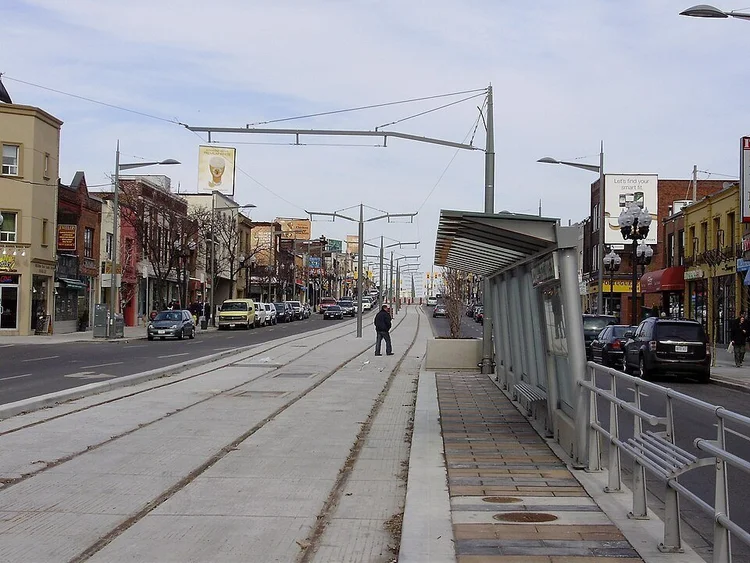
How Leah and Sam got ready for their first home near Corso Italia
An example first purchase, built with realistic Toronto numbers.
- Month 1: Tracked three months of spending and ran a "practice mortgage", saving the gap between their rent and their future costs. It felt comfortable.
- Month 2: Paid off a small car loan, checked their credit reports and met a mortgage broker. Their approval was higher than the payment they wanted, so they set their own budget below it.
- Month 3: Strategy session with Spiro. Target: a two-bedroom condo townhouse near St. Clair West, close to transit, under $875,000.
- Month 4: Toured a shortlist, had their lawyer review the status certificate on their favourite and bought it for $849,000 with a 60-day closing.
- Closing day: The rebates were applied, the lawyer released the keys and they still had a cushion left in the bank.
Where their cash went on closing:
| Their numbers | Amount |
|---|---|
| Purchase price | $849,000 |
| Deposit on acceptance (5%, part of the down payment) | $42,450 |
| Down payment (20%) | $169,800 |
| Mortgage | $679,200 |
| Ontario land transfer tax after first-time rebate | $9,455 |
| Toronto land transfer tax after first-time rebate | $8,980 |
| Legal fees, title insurance and adjustments | about $3,700 |
| Home inspection | about $500 |
| Cash needed in total | about $192,435 |
| Savings they started with | $212,000 |
| Cushion left after closing | about $19,565 |
Example only. Leah and Sam are not real clients. Land transfer tax and rebates are calculated on the brackets and maximums in place when this guide was written and can change. Your numbers will differ.
Your first-time buyer checklist
- Track three months of spending and test your future payment
- Check your credit reports and pay down high-interest debt
- Save for the down payment, closing costs and a cushion
- Ask a mortgage broker about the FHSA, Home Buyers' Plan and rebates
- Get a written pre-approval and hold a rate
- Book a strategy session and pick your target areas
- Line up your lawyer, inspector and insurance broker
- Keep your deposit ready to send within 24 hours
Frequently asked questions
Who counts as a first-time buyer in Ontario?
Generally, someone who has never owned a home anywhere in the world, who will live in the home they are buying, and whose spouse has not owned a home while they were together. The exact rules for each rebate and program differ and can change, so your lawyer and mortgage broker will confirm what you qualify for.
How much should I have saved before I start looking?
Enough for your down payment, your closing costs and an emergency cushion. In this guide we assume 20% down. Land transfer tax, legal fees and adjustments come on top. Our closing costs calculator shows the full amount for any price.
Can I buy with less than 20% down?
Often, yes. With a smaller down payment you pay for mortgage default insurance, which is added to your mortgage. The minimum down payment depends on the price, so talk to a trusted mortgage broker about what fits you.
Why is my pre-approval lower than I expected?
Because of the stress test. Lenders qualify you at a higher rate than the one you will actually pay, to make sure you could handle a rate increase. Paying off other debts before you apply can help.
Should my first home be a condo or a house?
It depends on your budget, lifestyle and plans. A condo can get you into a great location with less upkeep, but has monthly fees and building rules. A freehold gives you land and freedom to renovate, with all the upkeep on you. Compare total monthly cost, not just price.
Keep learning
How to buy a home in Toronto: the 12-step game plan How much mortgage can I qualify for? How much cash do I need to close? Corso Italia neighbourhood guideExample figures are for illustration only. Lender rules, tax rates, rebates and government programs change, so confirm details with your mortgage broker, accountant and lawyer. This is not financial or legal advice.